Project initiated in 2024 at écal Lausanne, Master Type Design.
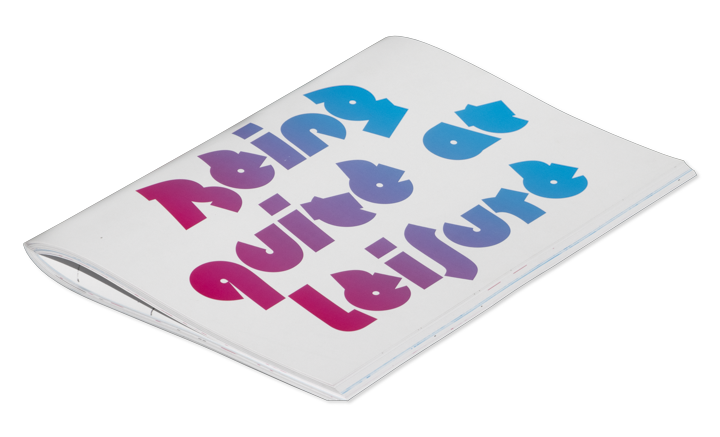
To the specimen.
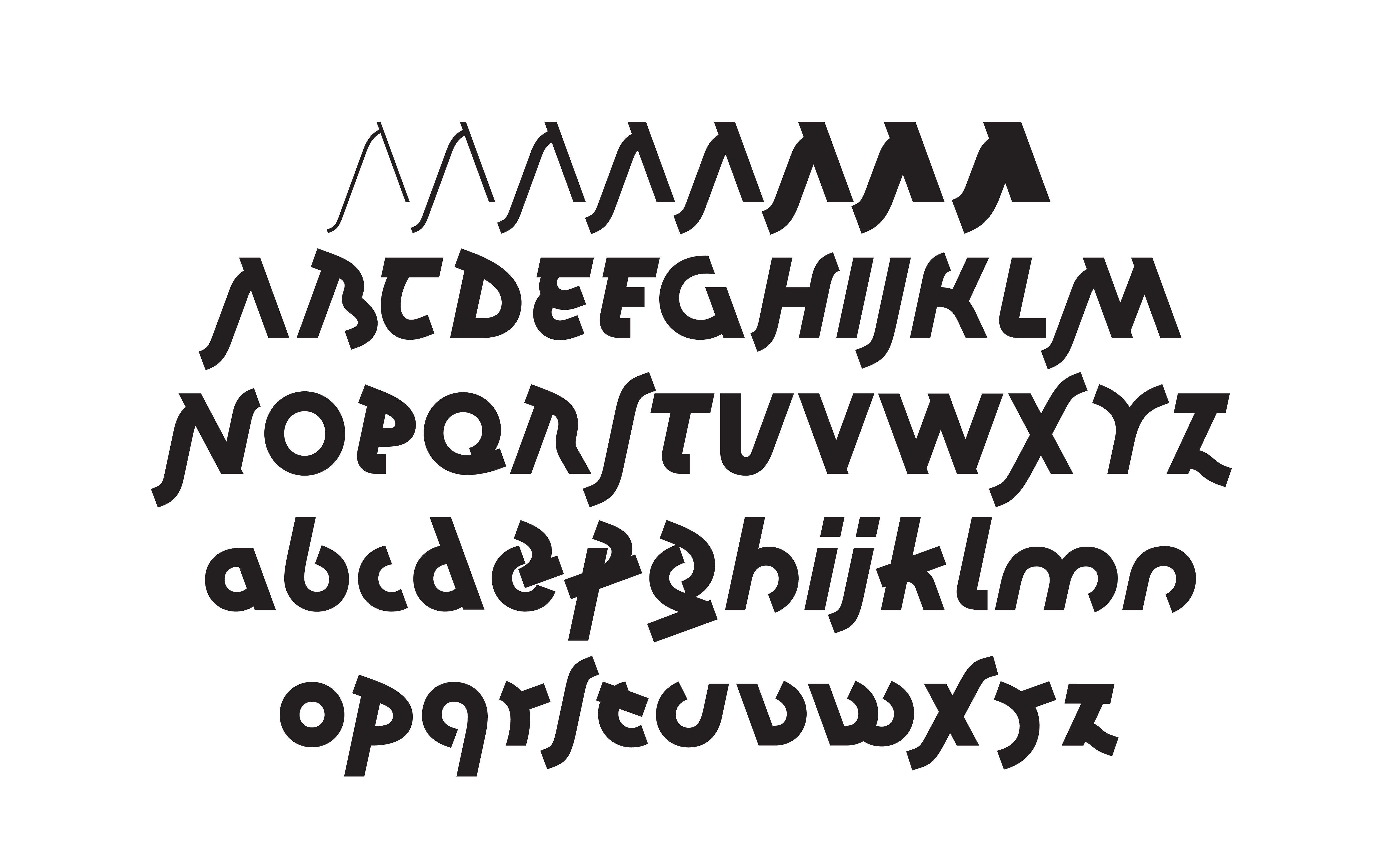
Roman Cursive starts from the analysis of an archaic form of the Latin alphabet, the Roman cursive script, and pushes it into the contemporary landscape. This form of cursive, which fell out of use around the eighth century CE with the formalisation of the Carolingian minuscule, is an offshoot of the Rustic Capital and was mainly used for informal writings: graffiti, letters, notes, etc. It functioned as a counterpart to the Square Capitals (mainly used for official writings) and was representative of the earlier minuscule shapes.
While the script fell out of use completely, the project asks: what if it didn’t? Like other forms of the Latin alphabet, this script could also have gone through the historical and technical development that led to the normalisation and formalisation of type styles until today. Taking the script through a simulated retracing of the development of type, we reach a sans-serif monolinear font that, while maintaining the skeleton of the original script, has become “standardised,” with a clear geometric system of angles and lines — contradicting, in some way, the original informality of the script.
Project initiated in 2024 at écal Lausanne, Master Type Design.